
Symposium Speakers
Please come back to this page as we invite the keynote speakers for the 22nd Australian Barley Technical Symposium (ABTS).
Keynote Speakers
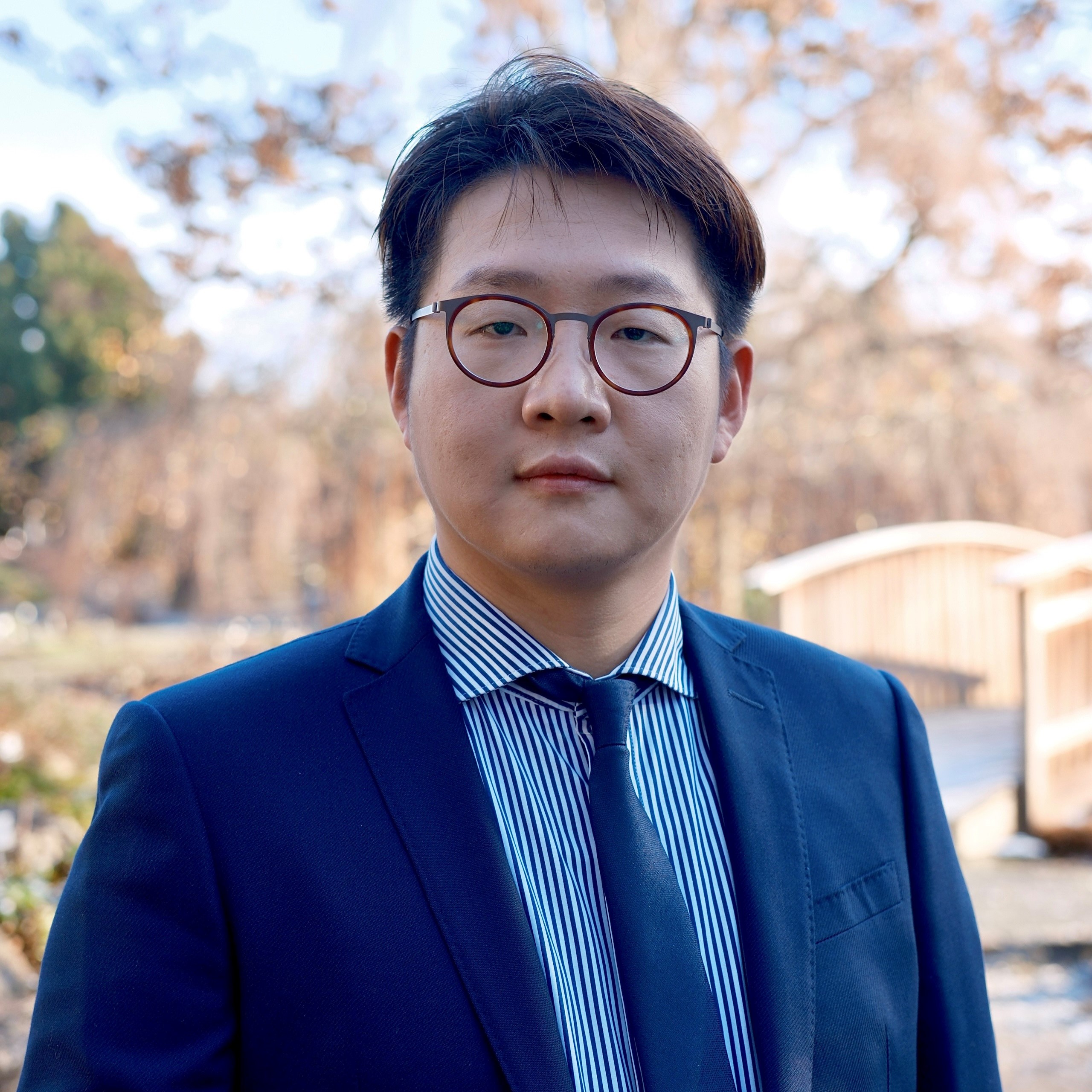
Jia-Wu Feng
Jia-Wu Feng is a Ph.D. candidate specializing in plant genomics and pangenomics, with a focus on the evolutionary and adaptive processes of crop wild relatives. Working primarily with Hordeum species, he explores the genetic diversity of wild barley relatives to uncover traits with potential for crop improvement. Feng holds a master’s degree in bioinformatics and a bachelor’s in biotechnology from Huazhong Agricultural University, where he also developed bioinformatics databases and tools for plant genomics.
His research has been published in leading journals including Nature, Nature Plants, Molecular Plant, and Plant Biotechnology Journal, and he has contributed to major international initiatives, including ERC-funded projects and the Sino-German Mobility Programme. An active peer reviewer, Feng was recognized with the 2023 CSSA Editor’s Citation for Excellence from The Plant Genome.
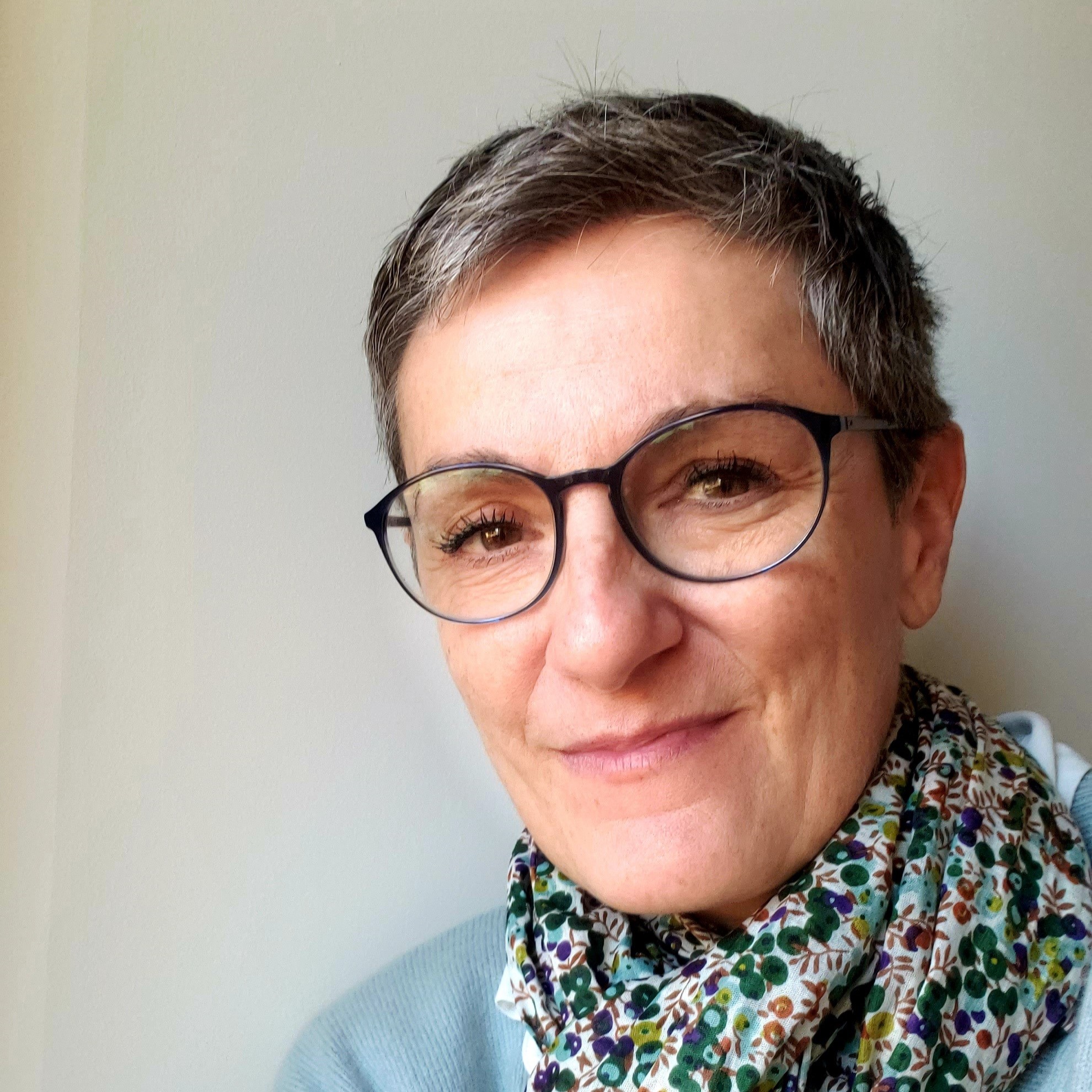
Laura Rossini
Laura Rossini received her PhD in Genetics from the University of Milan (Italy). After a postdoctoral appointment in the Department of Plant Sciences at the University of Oxford (UK), she returned to the University of Milan, where she is now Full Professor of Crop Genetics and Head of the Master’s Programme in Crops and Plant Sciences. For the past twenty-five years, she and her research team have applied genetic and genomic approaches to investigate the mechanisms underlying barley morphology and development, leveraging the genetic diversity of mutant and germplasm collections. Since 2008, she has also been involved in fruit tree research, contributing to the International Peach Genome Initiative and to the development of genomics-based strategies for dissecting and improving fruit quality and agronomic traits.

Christoph Dockter
Christoph Dockter is Head of Cereal Trait
Design at the Carlsberg Research Laboratory, where his team focuses on
discovering key cereal breeding traits and the genetics behind them. He bridges
fundamental research and practical applications through pan-omics-guided trait
development. Christoph helped establish a novel droplet digital PCR approach
that accelerates the discovery of targeted genetic variants, significantly
speeding up new barley variety development. As PI at AEGIS and leader of the
Barley Hub, his work aims to build sustainable, resilient cropping systems
under climate change while preserving biodiversity.
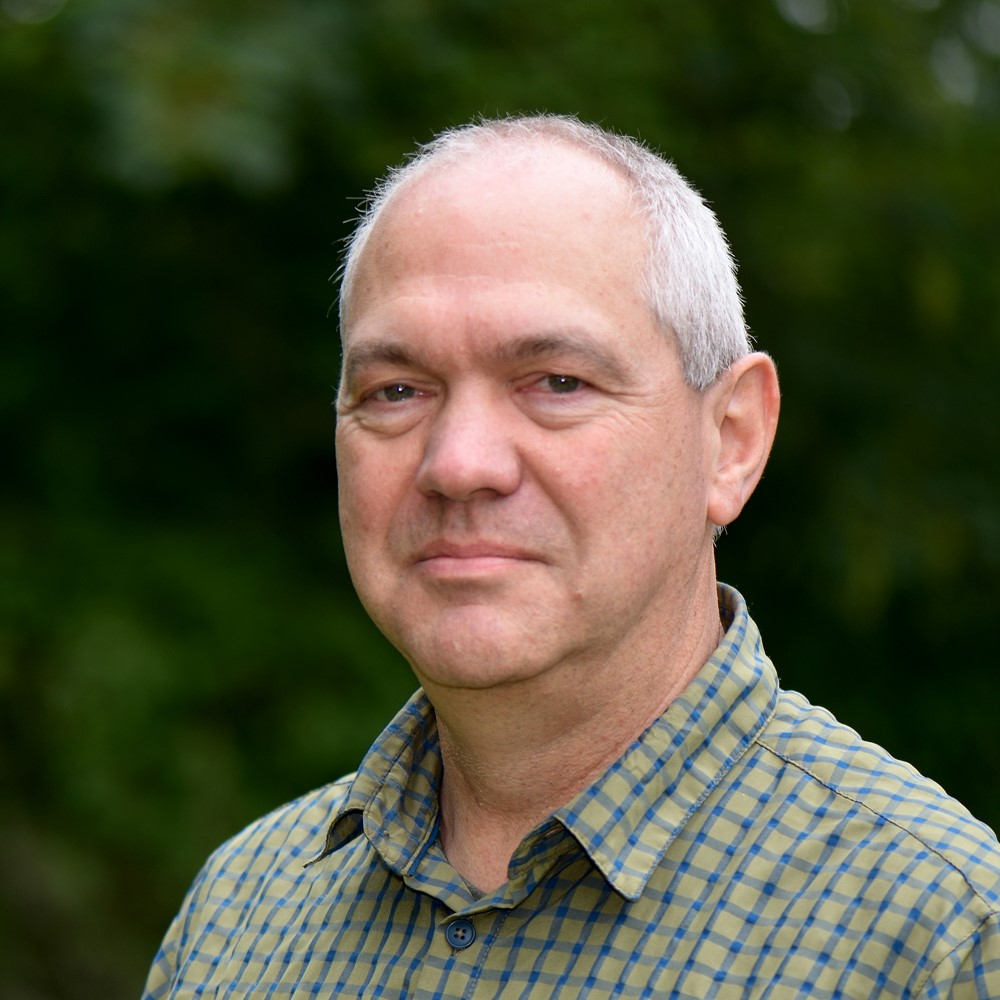
Jochen Kumlehn
Dr Jochen Kumlehn is Head of the Division of Cell Biology and Biotechnology at the Leibniz Institute of Plant Genetics and Crop Plant Research (IPK) Gatersleben, Germany, and a leading expert in barley biotechnology and genome editing. His research centres on developing advanced tools such as genome editing, haploid technologies, and plant transformation to accelerate barley improvement.
With a strong focus on barley reproductive biology, grain development, disease resistance, and stress tolerance, his work supports the delivery of higher-yielding, higher-quality, and more resilient barley varieties. Dr Kumlehn has published extensively in top-tier journals and works closely with international breeding and research programs. As a speaker, he brings practical insight into how cutting-edge biotechnology is shaping the future of the global barley industry.
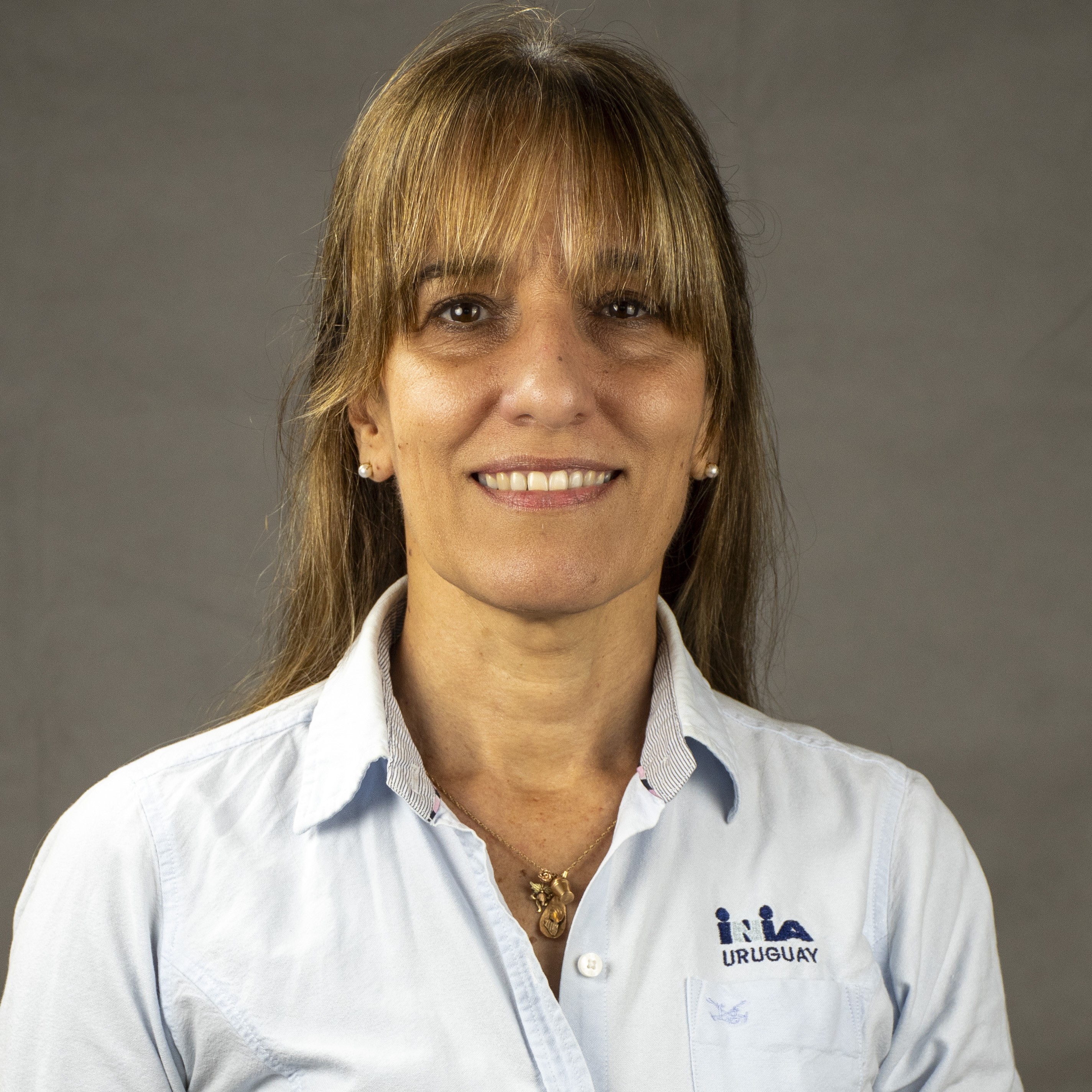
Silvia Pereyra
Dr Silvia A. Pereyra is an internationally recognised plant pathologist and Principal Reference Scientist at Uruguay’s National Institute for Agricultural Research (INIA). Her work specialises in the epidemiology and integrated management of barley diseases, with particular expertise in Fusarium head blight, Ramularia leaf spot and net blotch. She works closely with barley breeding programs and the malting industry to develop disease-resistant varieties and practical management strategies, and has co-authored multiple barley variety releases recognised for improved disease resistance and performance.

Gabriel Keeble-Gagnere
Gabriel Keeble-Gagnere has worked at Agriculture Victoria Research for almost a decade and is currently the Science Program Leader for the Australian Grains Genebank Strategic Partnership. In this role, he leads a multidisciplinary team of researchers and software developers delivering datasets and digital tools that are reshaping how industry accesses and uses genebank resources. His career has centered on technological innovation across genomics, software development and genotyping, with a strong focus on bridging the gap between research and breeding in Australia’s major grain crops. He co-developed the widely adopted Infinium Wheat-Barley and Multispecies Pulse SNP arrays, and has contributed to several major international genomics initiatives, including the International Wheat Genome Sequencing Consortium, the 10+ Wheat Genomes project, the Barley Pan Genome Project, The International Pea Pangenome Sequencing Consortium and the Faba Bean Genome Consortium
Invited Speakers
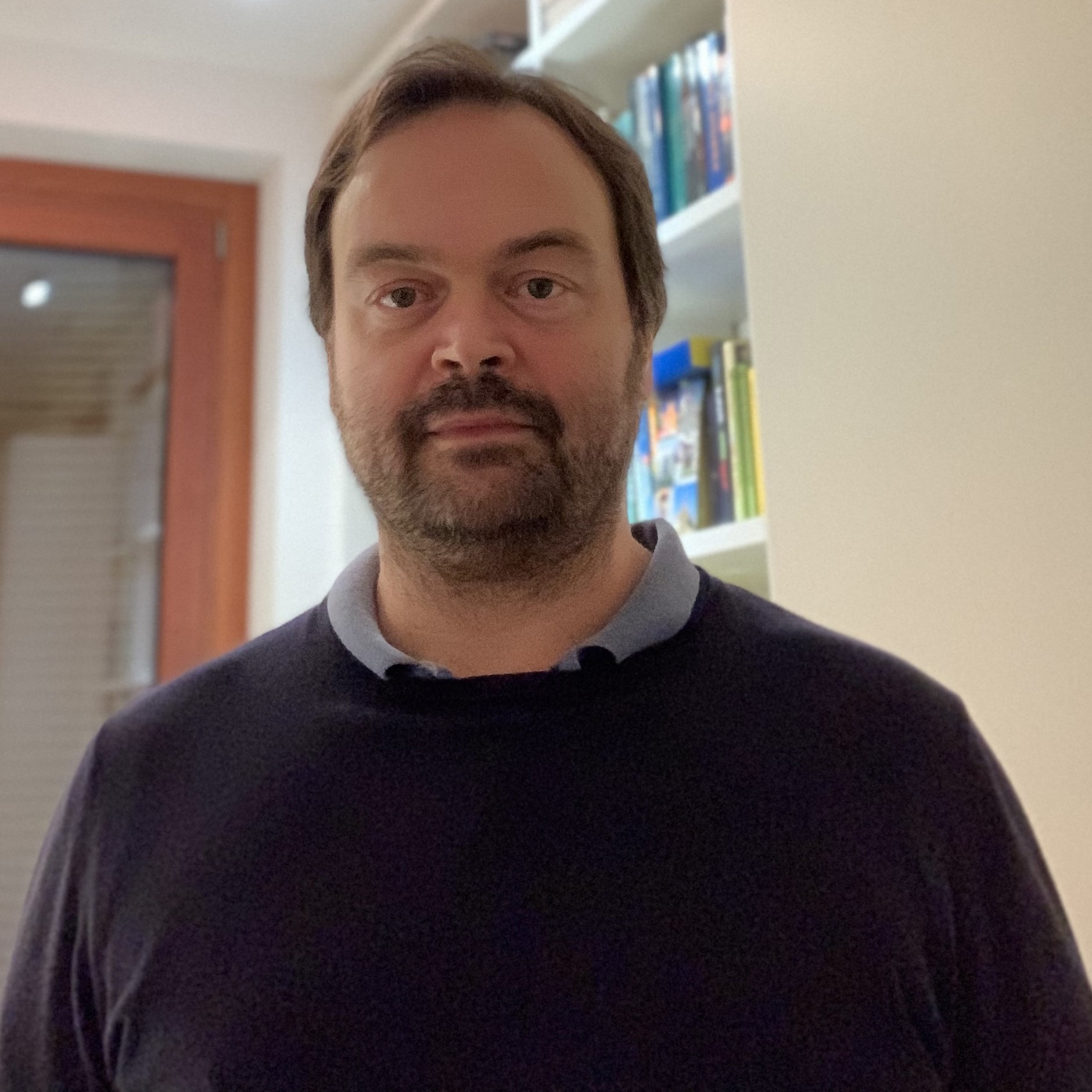
Paolo Pesaresi
Professor Paolo Pesaresi is Full Professor of Genetics at the University of Milan and head of the PhotoLab research group. His research focuses on the genetic, molecular and physiological regulation of photosynthesis and chloroplast biogenesis, with strong relevance to crop performance and stress resilience. With nearly 30 years of experience working across model plants and crop species, Professor Pesaresi has contributed to key advances in understanding photosynthetic efficiency and environmental adaptation. His current work aims to improve photosynthetic performance and support sustainable strategies for crop productivity, including cereals such as barley.
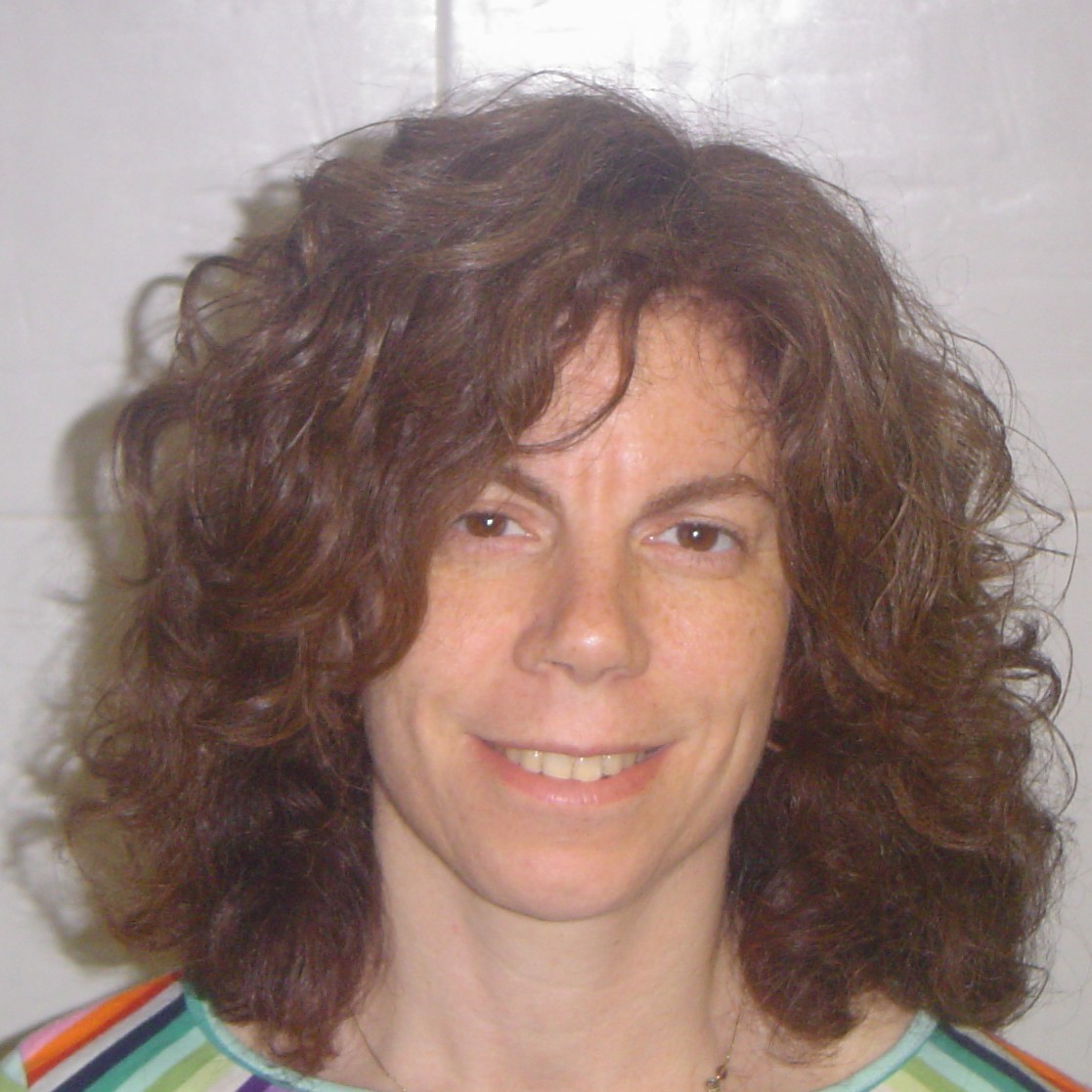
Roxana Savin
Roxana Savin (Ph.D. in crop physiology at the University of Melbourne, Australia) is currently Professor at the University of Lleida (Spain), where she is also Coordinator of the PhD Programme in Agricultural and Food Science and Technology. Roxana is currently Technical Editor of Crop Science (USA). Her expertise is focused on Physiology of yield and grain quality, carbon and nitrogen relationships, and heat and nitrogen stress. Dr Savin has published more than 90 papers in JCR-indexed journals and 26 Chapters in Scientific books of international publishers (e.g. Elsevier, CABI, Springer, Academic Press) and has coedited a book and an Encyclopaedia.
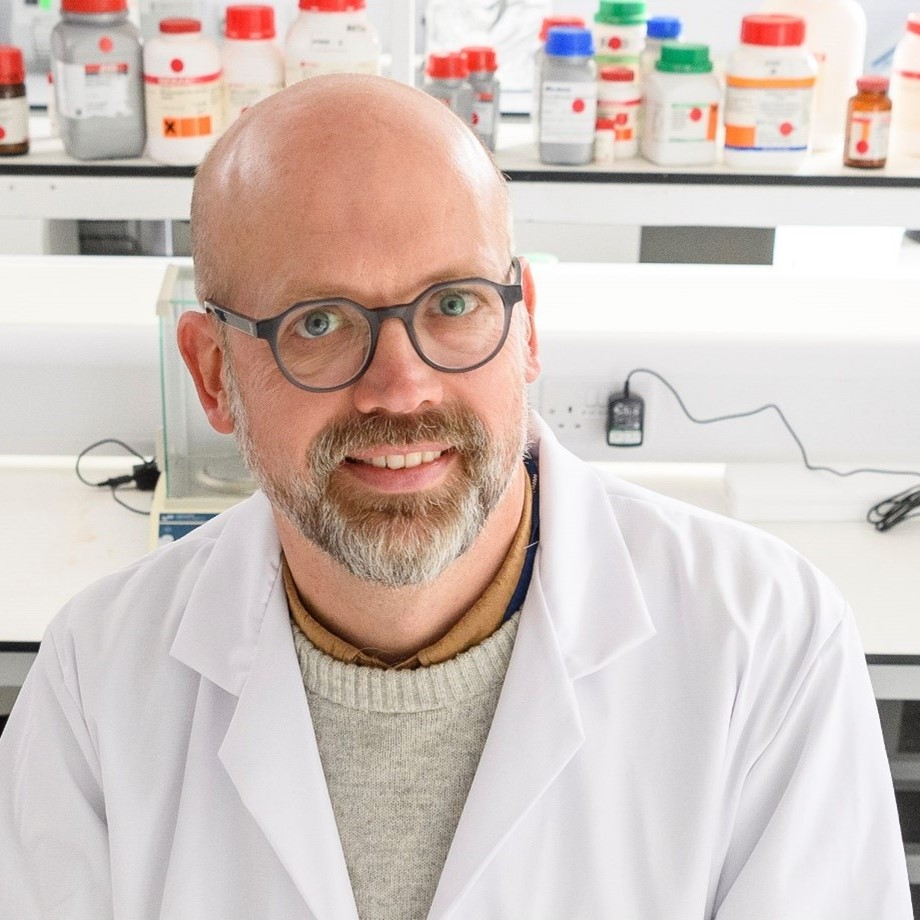
Tim George
Tim George is Director of the International Barley Hub and a leading rhizosphere scientist at the James Hutton Institute. His research underpins global barley improvement by revealing how root traits and environmental interactions drive nutrient uptake and stress resilience. Tim coordinates an EU Horizon Europe project developing root phenotyping and genetic strategies to future-proof barley against climate change. With over 150 publications, he is a key voice in advancing barley science and innovation. He also champions plant research globally as President of EPSO and the International Society of Root Research, while holding Honorary Professorships at Aberdeen and Nottingham.

Davide Bulgarelli
Davide Bulgarelli obtained a PhD in Crop Sciences at the University of Milan before leaving his native Italy for Germany, to take a post-doctoral position at the Max Planck Institute of Cologne. This experience represented Davide’s first exposure to the plant microbiome, and it was “love at first sight”. In 2013 Davide established his own research group at the University of Dundee (UK), where he is currently a Reader and Academic Lead for Public Engagement. The overarching ambition of Davide’s team is contributing to sustainable agriculture by dissecting the molecular basis of plant-microbiome interactions and accelerating translational applications.
Kelly Houston
Kelly Houston is Deputy Director of the International Barley Hub and a plant geneticist at the James Hutton Institute. Her work drives barley resilience by identifying genes linked to nutrient uptake and stress tolerance using GWAS and advanced genetic approaches. She combines gene discovery with screening diverse germplasm and applying mutagenesis and gene editing to develop barley lines with improved performance under drought and other abiotic stresses. Kelly leads efforts in major EU projects, Roots2Resilience and BEST-CROP, which aim to enhance drought tolerance and boost photosynthesis, ensuring barley remains productive and sustainable in changing environments.

Hrannar Smari Hilmarsson
Hrannar Smári Hilmarsson is a researcher at the Agricultural University of Iceland. He serves as the Head of Hvanneyri Agronomy Research Center and as the director of VALA the Icelandic plant breeding program. Additionally, he serves on the board of the Nordic gene bank the plant genetic resource institute. His scientific work focuses on adapting cereals to the extreme environment of Iceland. Through his work, he contributes to strengthening Iceland’s capacity for domestic cereal production, promoting agricultural resilience in challenging environmental conditions, and supporting sustainable resource management in line with broader environmental and food-security goals.
Shun Sakuma
Shun Sakuma is an Associate Professor at the Faculty of Agriculture, Tottori University, Japan. His team focuses on understanding the genetic basis controlling the inflorescence architecture of cereal crops, such as barley and wheat. He has contributed to identifying several key genes playing pivotal roles in barley/wheat inflorescence development through combining genetics, genomics, and functional analysis. He has also been involved in the international barley/Hordeum pan-genome projects. Since 2022, Shun has led efforts in a major project, FOREST, aiming to disruptive innovation through diversity and fusion.
Sarah McKim
Sarah McKim is a developmental geneticist interested in how cereals grow and develop. Following her PhD (Botany) at the University of British Columbia and a fellowship at the University of Oxford, Sarah’s research focus shifted from Brassicaceae to Barley when she started her own group at the University of Dundee. Her group exploits enabling technologies to identify, understand and manipulate developmental processes important for cereal yield and resiliency. Sarah’s team has discovered multiple developmental regulators controlling shoot branching, stem growth, floret fertility as well as cuticular waxes and epidermal patterning. Most recently, her group has explored regulators of early grain formation, grain quality and stress-induced developmental changes. International collaborations are central to Sarah’s research and a key part of her new role as a Deputy Director of the International Barley Hub. Sarah is looking forward to meeting new and familiar colleagues at ABTS2026!
Hiroshi Kubota
Dr. Hiroshi Kubota has been working as a research scientist in sustainable cropping systems since October 2018 at Agriculture and Agri-Food Canada. Dr. Kubota obtained his Ph.D. in Plant Science from the University of Alberta in 2018. His work focuses on developing innovative agronomic practices that enhance economic viability and environmental sustainability across both conventional and organic cropping systems. He emphasizes three essential areas of research: 1) Cropping System Diversity, 2) Cropping Practice Diversity, and 3) Integrated Crop Management. Currently, Dr. Kubota leads the GROW Barley Projects, aiming to bridge gaps in barley agronomy in Western Canada and ultimately advance agricultural practices in the region.
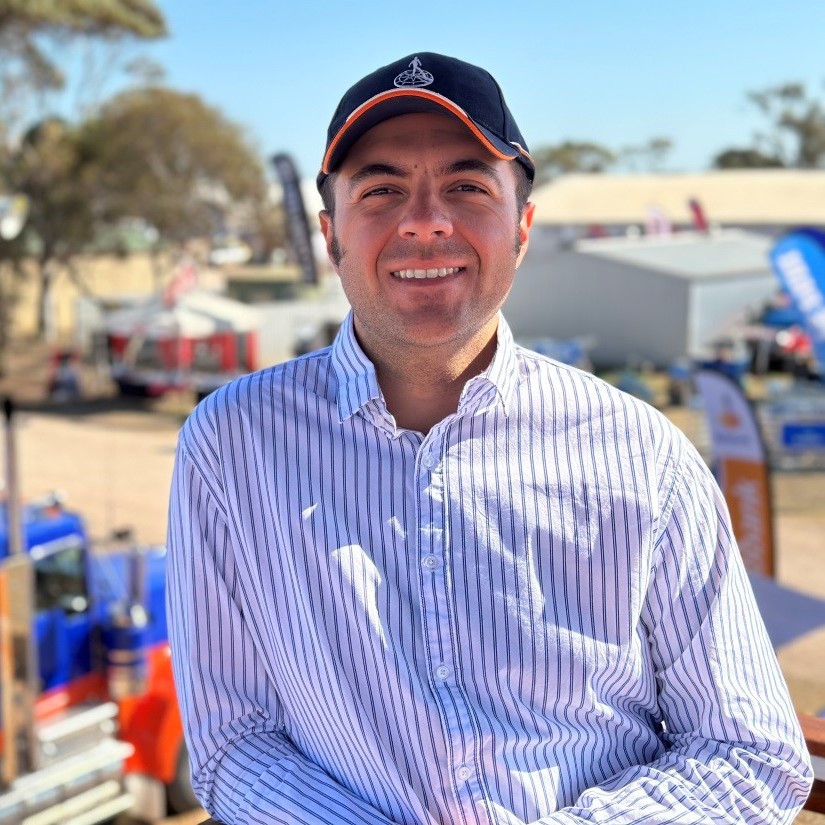
Vitor Pistoia
Vítor Caçula Pistóia is Senior Analyst for Grains & Oilseeds at Rabobank, based in Sydney. He delivers insights that matter to growers, traders, and processors, covering everything from grain pricing trends and export flows to how cropping margins influence farmland values. Vítor also tracks the evolving role of biofuels and how global geopolitics ripple through Australian grain markets.
With hands-on agronomy experience and previous roles managing grain procurement for major global grain traders and processors, Vítor blends practical farming knowledge with deep market insight. He graduated with honours in Agronomy from the Federal University of Rio Grande do Sul, Brazil.